A campus turned into a living ecological laboratory. Natural history and biology are two parallel paths of knowing, and this network runs along both.
Twenty-seven birds,
drawn by hand.
Every species on this campus has a plate cut from a 19th-century natural-history volume. Students hear them, record them, and ask why they are here.
EnterAnnouncements
Field Notes Nov 6, 2026
First node online
A single indoor frame is running in the biology prep room, listening to the courtyard. It has logged eleven species in four days without anyone touching it.
- Observation
- Node 01
- Distribution
- View
Field Notes Oct 28, 2026
Twenty-seven plates mounted
The illustrated atlas now covers every common bird on this campus. Each plate is cut from a nineteenth-century natural-history volume, not drawn or generated.
- Observation
- Atlas
- Distribution
- View
Field Notes Oct 14, 2026
Two strands, one curriculum
The learning path now runs natural history and biology as parallel tracks that meet at four masterclass nodes, instead of one following the other.
- Observation
- Curriculum
- Distribution
- View
Continue reading
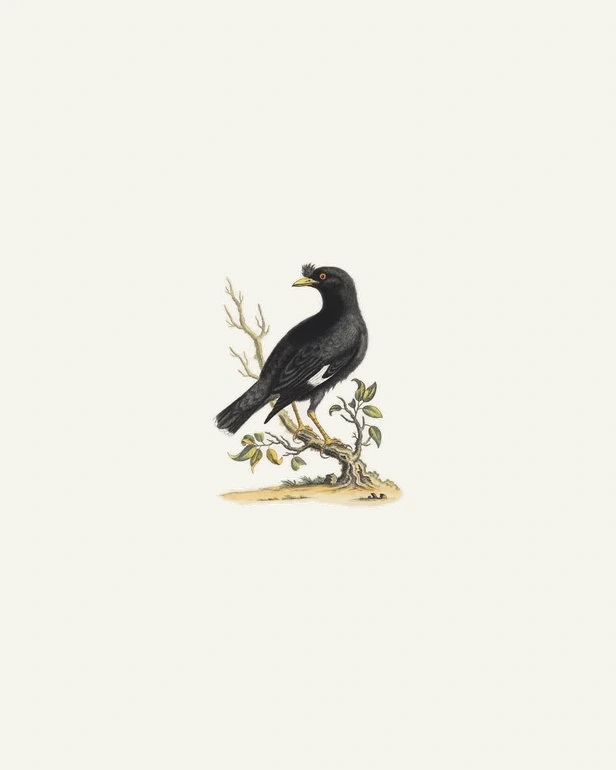
Observe before explaining
Why the atlas comes first: a student cannot ask why a bird is here until they can say which bird it is.
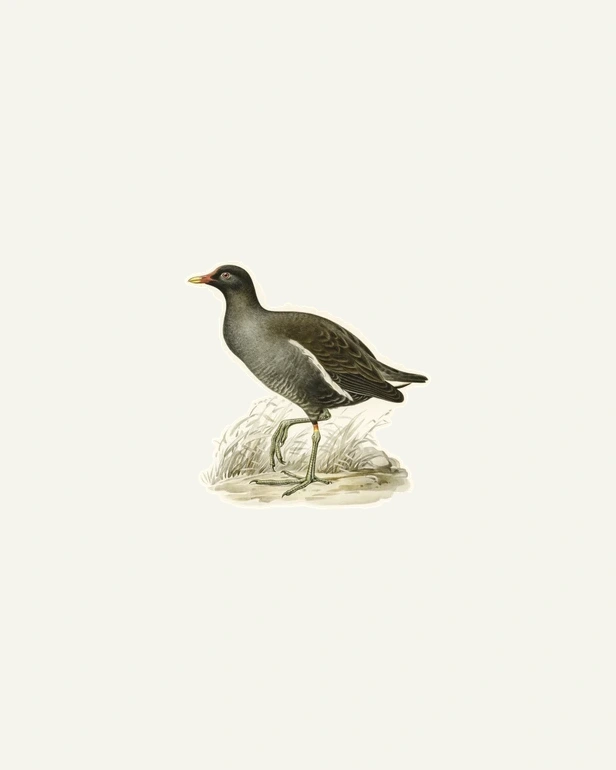
The campus bird plates
Twenty-seven species, each cut from a nineteenth-century natural-history volume and mounted by hand.
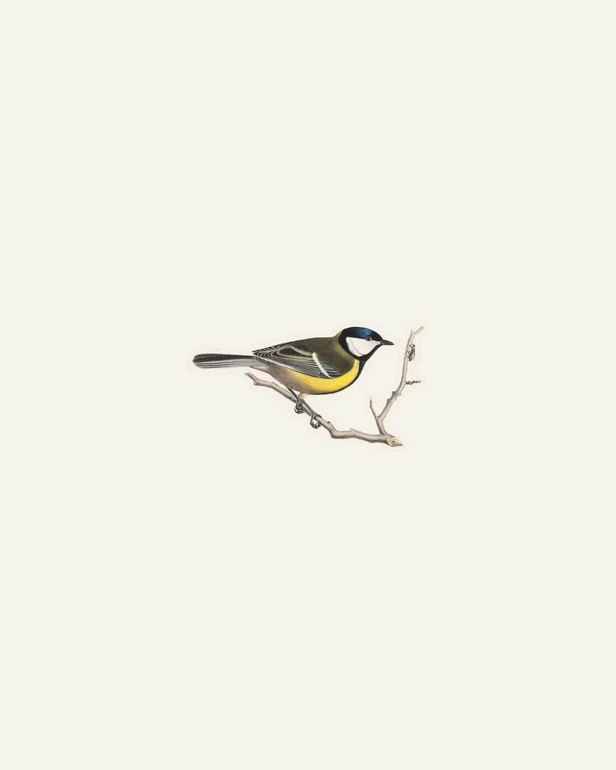
What the nodes hear
Every detection carries a timestamp, a place on campus, and the confidence of the model that found it.
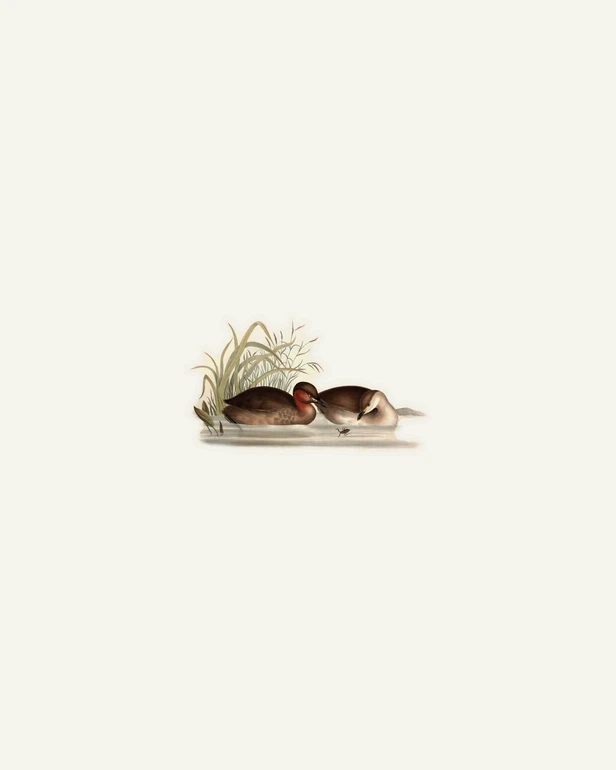
One school, then the city
Each campus runs its own node and its own records, sharing one species index and one curriculum.